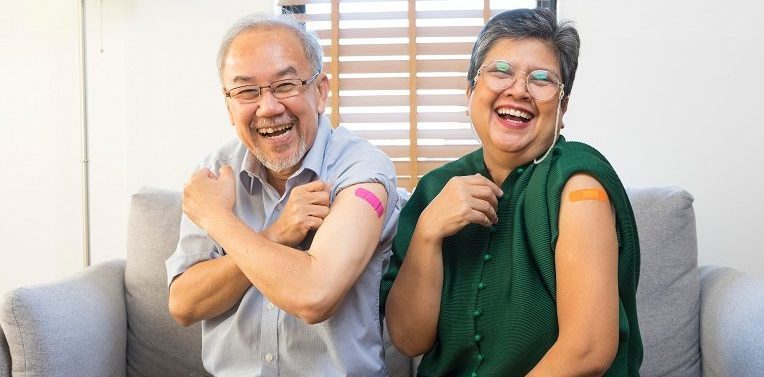
Everything You Need to Know About Who Should Get the RSV Vaccine
Every winter, respiratory syncytial virus (RSV) makes the rounds and adds to the chorus of sneezes and sniffles of sick season. For most people, it’s nothing more than a tough cold. But for babies, older adults or those with a weakened immune system, it can sometimes be more serious.
Fortunately, that’s where the RSV vaccine comes in. Learn all you need to know about who should get the RSV vaccine and when, what the benefits are and what side effects to expect so you can feel confident heading into RSV season.
Who should get the RSV vaccine?
Not everyone needs the RSV vaccine, but it can make a big difference for people at higher risk.
RSV Vaccine for Babies
Newborns are especially vulnerable to RSV because their airways are small and still developing. When those airways become inflamed, it can make it more difficult for mucous to drain, and cause breathing problems. The Centers for Disease Control (CDC) recommends protecting all babies from severe RSV by getting the RSV immunization. Infants usually only need to receive immunization once, either through:
- RSV vaccine during pregnancy – The maternal RSV vaccine helps pass protective antibodies to your baby before they are born.
- RSV immunization for infants – Babies younger than eight months should receive the RSV immunization to help protect them during their first RSV season.
The RSV vaccine is also recommended for some babies and toddlers between 8-19 months of age who may be at a higher risk for severe RSV, including children with:
- Chronic lung disease or recent medical support (oxygen, diuretics or corticosteroids in the last six months)
- Severe immune compromise
- Cystic fibrosis with severe lung disease or low weight-for-length (below the tenth percentile)
RSV Vaccine for Seniors
As we age, our immune systems naturally weaken, making it harder to fight off infections and increasing the risk of complications. The CDC recommends RSV vaccination for all adults age 75 and older. If you’re 50–74, the RSV vaccine may be recommended if you live in a nursing home or have certain health conditions that put you at higher risk. These could include:
- Chronic heart or cardiovascular disease (excluding just high blood pressure)
- Chronic lung or respiratory disease, such as Chronic Obstructive Pulmonary Disease (COPD), asthma, cystic fibrosis or interstitial lung disease
- End-stage kidney disease or dialysis
- Diabetes with complications
- Neurologic or neuromuscular conditions affecting breathing, such as Amyotrophic Lateral Sclerosis (ALS), muscular dystrophy or post-stroke with impaired airway
- Chronic liver disease, or cirrhosis
- Blood disorders (sickle cell disease, thalassemia)
- Severe obesity
- Moderate or severe immune compromise
- Other conditions or risk factors as determined by a health care provider, such as frailty or limited access to care
If you aren’t sure if you are considered high-risk, talk with your doctor. They can provide personal guidance based on your specific situation.
Benefits of the RSV Vaccine
Getting vaccinated helps your immune system protect against RSV, which lowers your risk of hospitalization and severe illness.
For infants, RSV can cause serious breathing problems, while older adults face a higher risk of pneumonia and complications from chronic conditions.
“While no vaccine can prevent every single case, what the RSV vaccine does exceptionally well is lower the risk of hospital stays and serious complications,” says Brian Curtis, MD, vice president, chief medical officer, OSF Medical Group. “That protection is what really matters most for families and for older adults.”
Is the RSV vaccine safe?
The first RSV vaccines came out in 2023, after receiving approval from the Food and Drug Administration (FDA). Like all vaccines that receive FDA approval, the RSV vaccines have gone through extensive testing in clinical trials to make sure they are both safe and effective.
“Any vaccine that reaches your doctor’s office has already been studied in depth,” says Dr. Curtis. “That process is designed to protect patients and make sure the benefits far outweigh any risks.”
It’s also worth knowing how vaccines work to protect us. The RSV vaccine is not a live vaccine or an mRNA vaccine. The RSV vaccine also cannot give you RSV. Instead, it helps your immune system recognize and fight the virus if you or your child is exposed.
RSV Vaccine Side Effects
RSV vaccine side effects in adults are mild and only last a few days. The most common side effects include a sore arm at the injection site, feeling a little more tired than usual or a mild headache.
RSV vaccine side effects in babies can include temporary fussiness, tenderness at the injection site or a low-grade fever. Serious side effects are extremely rare.
“Side effects mean your immune system is doing its job,” says Dr. Curtis. “They usually pass quickly, and you’re gaining protection against a virus that can make babies and older adults very sick.”
When to Get the RSV Vaccine
Deciding when to get the RSV vaccine is an important step to make sure you and your family are protected throughout RSV season.
“Because timing depends on your age and even your pregnancy due date, the best approach is to talk with your primary care provider, your OB/GYN or your child’s pediatrician,” says Dr. Curtis. “They can help decide when to get vaccinated, so you’re fully protected during RSV season.”
Ready to get protected?
Here’s the best time to get the RSV vaccine based on your situation:
- Seniors or high-risk adults and kids: Usually recommended between August 1 and October 31 for the best protection, though getting the vaccine anytime during RSV season (October 1 – March 31) is better than not getting it at all.
- During pregnancy: Best given between 32–36 weeks of your pregnancy to pass the most protection to your baby.
-
- If baby is born less than 14 days after the maternal vaccine, they’ll still need the RSV immunization after birth.
- The maternal vaccine can be given between September 1–January 31 to make sure newborns are protected at birth.
- Babies:
-
- If born during RSV season (October 1–March 31), babies can get the RSV immunization at their first pediatrician visit.
- If born outside RSV season but will be under eight months old during the next season, they can also get immunized through their pediatrician.
How long does the RSV vaccine last?
Right now, research shows the RSV vaccine offers strong protection through at least one RSV season. You don’t need to get the RSV vaccine yearly, though scientists are continuing to study how long the protection lasts.
Which RSV vaccine is better?
For adults, there are several FDA-approved RSV vaccines such as Arexvy, mResvia or Abrysvo. While all of these vaccines are safe for adults, only Abrysvo has been approved for use during pregnancy.
For babies under 8 months old, a few FDA-approved antibody options are available to protect against RSV, such as nirsevimab (Beyfortus). For children 8–19 months old who are at higher risk and entering their second RSV season, Beyfortus is the only recommended option.
Talk to Your Doctor About the RSV Vaccine
The RSV vaccine is an important tool to help protect against serious illness, but who should get it, and when, isn’t a one-size-fits-all answer.
Your primary care provider, OB/GYN or pediatrician can help you decide which vaccines are right for you and when to get them so you can make sure your family is protected during RSV season.