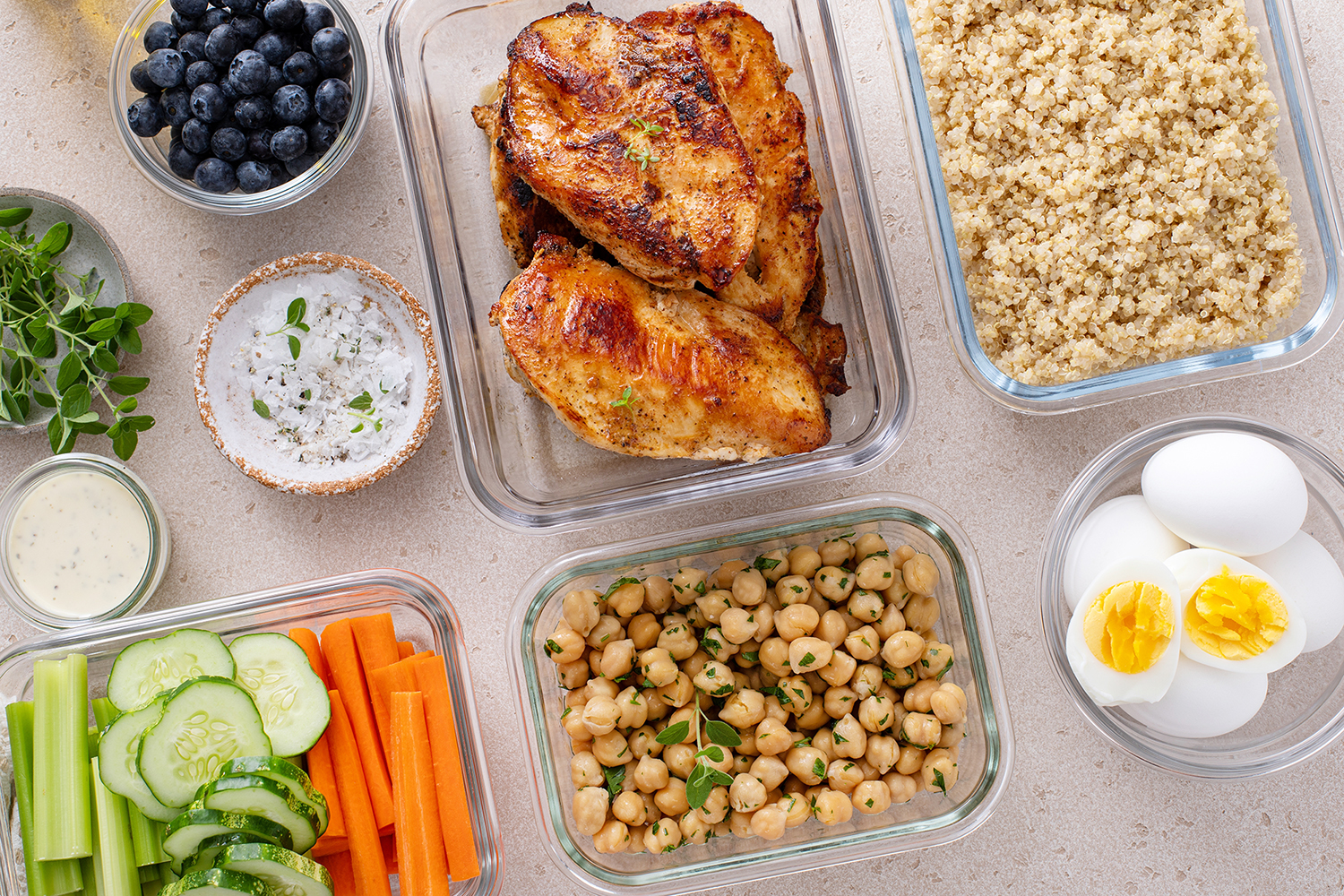
How much protein do you really need?
Protein is everywhere these days. From pancakes and pasta to bars and shakes, more and more foods are getting in on the action.
But with so many options so readily available, you might be confused about how much protein you need. Whether you are looking to add muscle, lose weight or just stay healthy, your protein needs can vary.
Bernadette Grogan and Maddie McManus, dietitians at OSF HealthCare, break down how much protein you need to meet your goals, and which sources will keep you the most satisfied.
Why is protein important?
Protein plays a crucial role in nearly every aspect of your health. When you exercise, your muscles break down and need repair. Protein helps rebuild muscles and repair tissue after exercise.
Protein also helps regulate hormone production, which keeps your metabolism firing. Amino acids help build protein in your body, and support your muscles, as well as help fight germs and boost your immune system. No matter what your activity level is, protein helps your body stay strong, resilient and energized.
How much protein do you need?
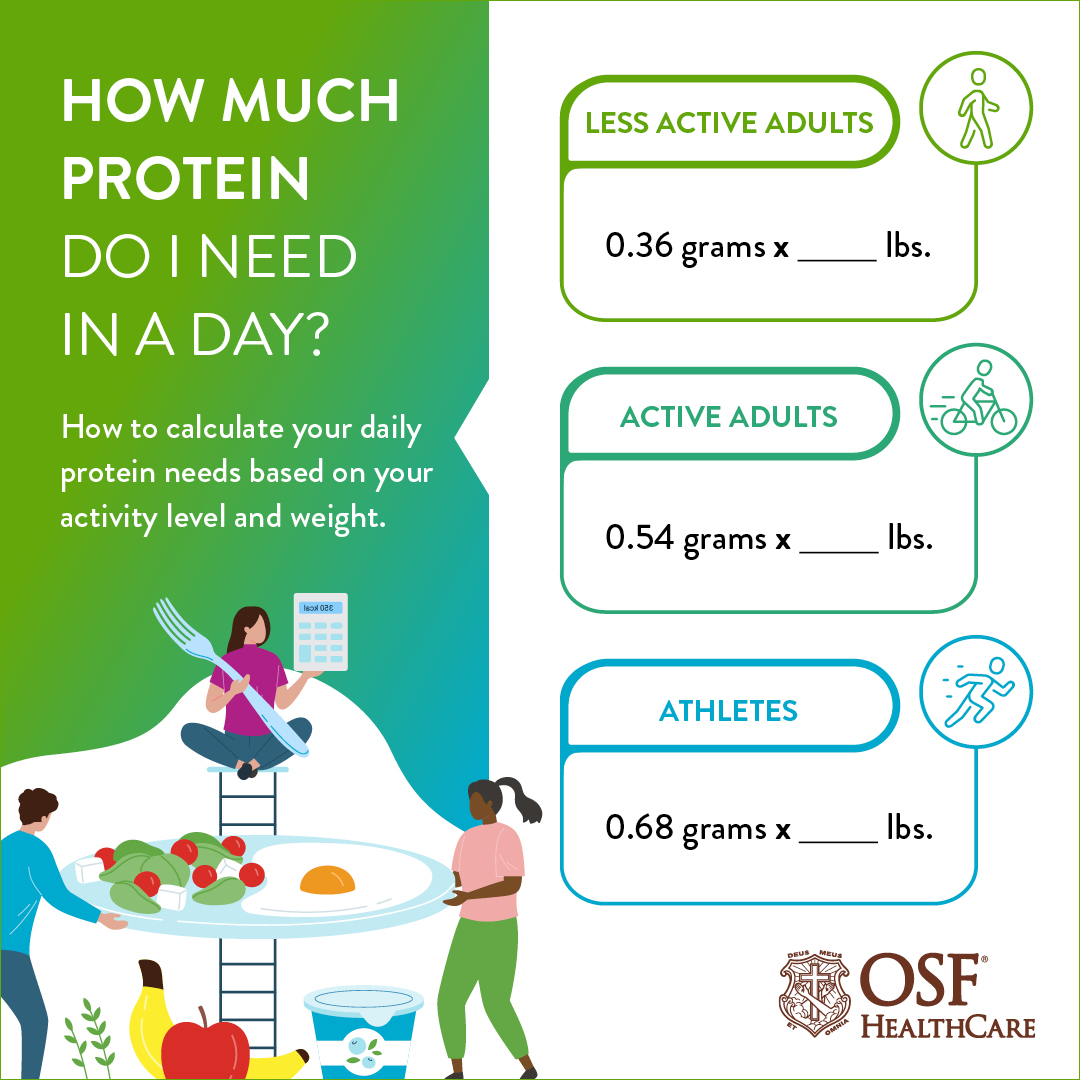
When it comes to protein, one size doesn’t fit all. Your daily protein intake should be based on your age, activity level and weight.
In general, if you are looking to maintain your current health:
- Less active adults: 0.36 grams per pound of body weight
- Active adults: 0.54 grams per pound of body weight
- Athletes: 0.68 grams per pound of body weight
You can easily calculate how much protein you need for your specific body type by completing your MyPlate plan.
How much protein do you need to build muscle?
If you are hoping to build muscle, protein is your new best friend. To see gains in muscle, you’ll need 0.54-0.68 grams of protein per pound of body weight.
But it’s not just about how much you consume – it’s also about when.
“Your muscles are like hungry little sponges after a workout,” says Bernadette. “Hitting them with protein within two hours of exercise is crucial for recovery and growth.”
But don’t stop there — spreading protein intake throughout the day keeps your body in muscle-building mode, ensuring a steady supply of amino acids.
How much protein do you need to lose weight?
For many, protein could be one of the many tools to help you lose weight. It can help you shed fat while keeping you full and satisfied. It also helps prevent losing muscle, which can be a risk when you are cutting calories.
Looking to lose weight?
For weight loss, a daily goal of .54 grams of protein per pound of body weight is a good place to start, although this will vary between individuals.
“Protein can help you feel fuller for longer, which helps limit cravings that can lead to overeating,” says Maddie. “Plus, a high-protein diet can boost your metabolism, which makes it easier to burn fat.”
High-Protein Foods to Add to Your Diet
When you get protein from a variety of sources, your body gets a wider range of nutrients to keep you healthy.
- Meat: Options like lean chicken, turkey and beef can help you feel full.
- Fish: Salmon and tuna contain amino acids which support muscle growth and boost metabolism.
- Eggs: An excellent source of protein with all nine essential amino acids.
- Dairy: Greek yogurt and cottage cheese are great high protein snack
- Plant-based: Beans, chickpeas, lentils, tofu and edamame are all protein-packed options that also provide fiber. Many of these ingredients can also be found in protein pasta.
- Nuts and seeds: Peanuts, almonds, walnuts, sesame seeds and sunflower seeds, as well as foods made from these such as peanut butter, are full of healthy fats and protein.
Incorporating a mix of these high protein foods into your diet helps fuel your body with the variety it needs to support muscle growth, metabolism and overall well-being.
Protein Supplements
If you’re looking to boost your protein intake, there are plenty of easy and convenient options that can fit right into your daily routine.
Protein Powder
Protein powder is often the go-to supplement for those who need to increase protein while on the go. The best protein powders contain 20-30 grams of protein per serving and limited added sugars.
There are a variety of options, including:
- Whey protein: Ideal for those trying to build muscle, whey is made from cow’s milk and contains all essential amino acids to support muscle recovery and growth.
- Plant-based protein: This option offers a complete protein profile without the dairy. These options are typically lower in calories, while keeping you full.
“Protein powder is very convenient and can be easily blended into a fruit smoothie or a post-workout protein shake,” says Bernadette. “You can also bake with protein powder and add it to muffins or make protein pancakes.”
Protein Bars
Protein bars are another quick, on-the-go protein option that are portable and easy to pack. Most options provide a mix of protein, carbs and healthy fats, giving you the fuel you need without prepping a full high protein meal.
Whether your goal is to add muscle or lose weight, look for protein bars with 10-20 grams of protein. It’s also best to choose a bar with less than 10 grams of sugar.
“Protein bars should be considered a high protein snack option as they typically do not provide enough nutrients to replace an entire meal,” says Maddie.