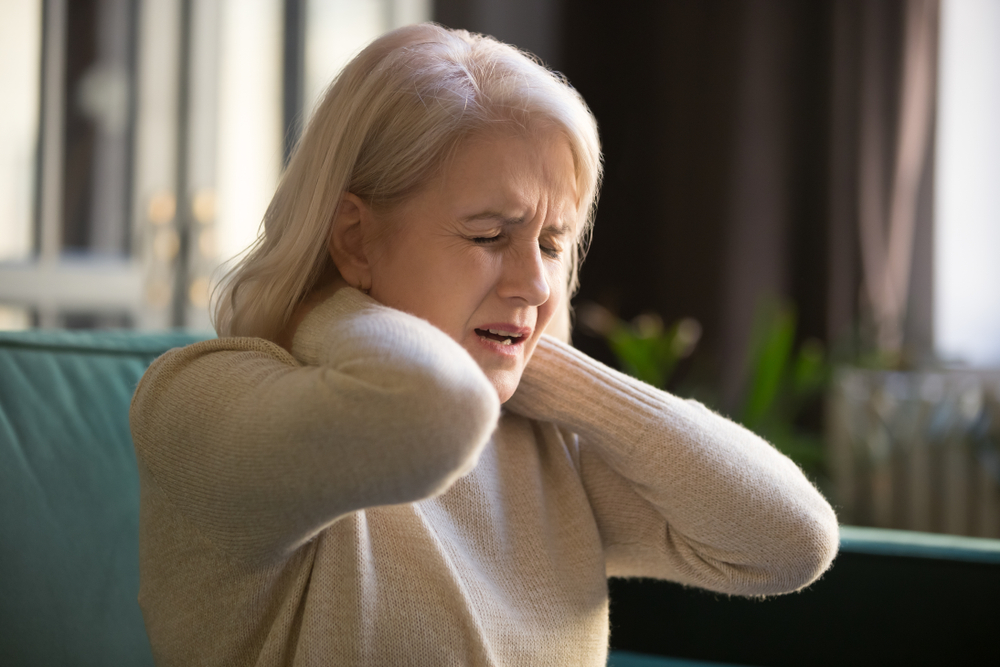
Coping With Body Aches from Illnesses Like COVID-19
Feeling achy?
Body aches can happen with many illnesses, not just COVID-19. Whether you’re battling the flu, a cold, strep throat or COVID-19, symptoms like muscle cramping, aching joints, sudden fatigue, weakness and that “my whole body aches” feeling are all common.
While body aches often improve with rest and basic care, sometimes they linger or become severe enough to interrupt daily life. Here’s what causes body aches, how long they typically last and what you can do to feel better faster.
Why does my body ache when I’m sick?
“When your body fights an infection, your immune system releases inflammatory chemicals,” said Brian Curtis, MD, vice president, chief medical officer, OSF Medical Group. “That inflammation is what leads to joint pain, muscle aches, stiffness and that overall heavy, fatigued feeling.”
Body aches most often appear with:
- Viral infections, like COVID-19, flu, RSV and common colds
- Strep throat, which can cause a sore throat, aching joints and body aches
- Sinus infections, which may lead to headache and facial pressure
- Dehydration, which can worsen fatigue, lethargy and muscle cramping
- Stress, poor sleep or overexertion, which can amplify pain
If you have body aches with no fever, it may still be a virus. Many mild viral infections cause significant aches without raising your temperature.
COVID-19 Muscle and Joint Pain
COVID-19 can cause body aches both during the illness itself and long after recovery.
“People with muscle and joint pain during and after COVID-19 typically feel it in their back and shoulders,” said Dr. Curtis. “It’s one of the most common symptoms in the first 30 days.”
COVID-19 muscle aches often include:
- Lower back pain
- Shoulder and neck stiffness
- Leg aches
- Tenderness or soreness throughout the body
- Sudden extreme fatigue and body aches
These symptoms happen because the virus triggers a strong inflammatory response in the joints, similar to rheumatic conditions like arthritis.
Long COVID-19 and ongoing aches
When symptoms continue for more than 30 days, they may be considered long COVID-19.
“Upwards of 10% of people with long COVID-19 report continued muscle and joint pain,” Dr. Curtis said.
Body Aches With Other Common Illnesses
Body aches aren’t unique to COVID-19. Many common illnesses and everyday health issues can trigger soreness, fatigue or that “heavy” feeling throughout your body. Understanding the cause can help you choose the right care and know when to call your doctor.
The flu often brings intense body aches and chills, which are hallmark symptoms of the illness.
Strep throat can cause more than just a painful throat. Many people notice body aches, joint pain and overall fatigue when strep is the culprit.
Even common colds can lead to mild aches, headaches and low energy, especially in the first couple of days.
Some people develop body aches during sinus infections, especially when inflammation and pressure build up in the head and face.
Sometimes the reason isn’t an illness at all. Dehydration and lack of sleep can quickly lead to body aches, lethargy and low energy, or make existing symptoms feel worse.
How long do body aches last?
“How long the pain lasts really varies by the individual and the illness,” Dr. Curtis said. “Some people recover quickly, while others feel lingering soreness for weeks.”
This is how long body aches typically last for each illness:
- Cold or mild virus: One–five days
- Flu: Three-seven days (usually more intense aches)
- COVID-19: A few days to several weeks
- Long COVID-19: One-three months or longer
Body aches can be felt throughout your whole body or focused in specific areas like the back, shoulders or legs.
“There’s really no consistent pattern,” Dr. Curtis said. “Symptoms can vary widely and be unique to each person.”
How to Get Rid of Body Aches
Most body aches improve with simple home care. Here’s what can help:
- Stay hydrated with water, broth, electrolyte drinks or herbal teas
- Get plenty of rest to support your immune system
- Use over-the-counter pain relievers like ibuprofen or acetaminophen
- Apply heat and ice to relieve sore muscles
- Take a warm bath to relax tense or achy areas
- Try gentle movement such as stretching or short walks to improve stiffness
When to See Your Doctor
Body aches can be uncomfortable, but they’re usually a sign your body is working hard to fight infection. With rest and home care, most people feel better within a few days.
Call your doctor if you experience:
- Body aches lasting more than a week
- Pain that is severe or worsening
- Body aches with shortness of breath
- Chest pain
- Signs of dehydration, like dry lips or urinating less often
- Weakness that prevents normal activity
- Body aches after recovering from COVID-19
- New or worsening joint swelling
If your provider suspects long COVID-19, they may refer you to:
- Physical therapy
- Behavioral and mental health support
- Long COVID-19 or post-viral care programs