What is the ICU and why do some COVID-19 patients need it?
The intensive care unit (ICU) is where hospitals provide the highest level of monitoring and support for patients with serious or complex medical conditions, including those who develop severe symptoms from respiratory illnesses like COVID-19.
Nasser Zakieh, MD, a critical care medicine and pulmonology specialist, explains what the ICU is, who it’s for and how it supports patients with complex medical needs.
Concerned about your symptoms?
What is the ICU?
“The ICU is a specialized area of the hospital designed to care for patients who need close monitoring and advanced medical support,” Dr. Zakieh said. “These are patients whose conditions are serious or unstable and require constant attention from highly trained teams.”
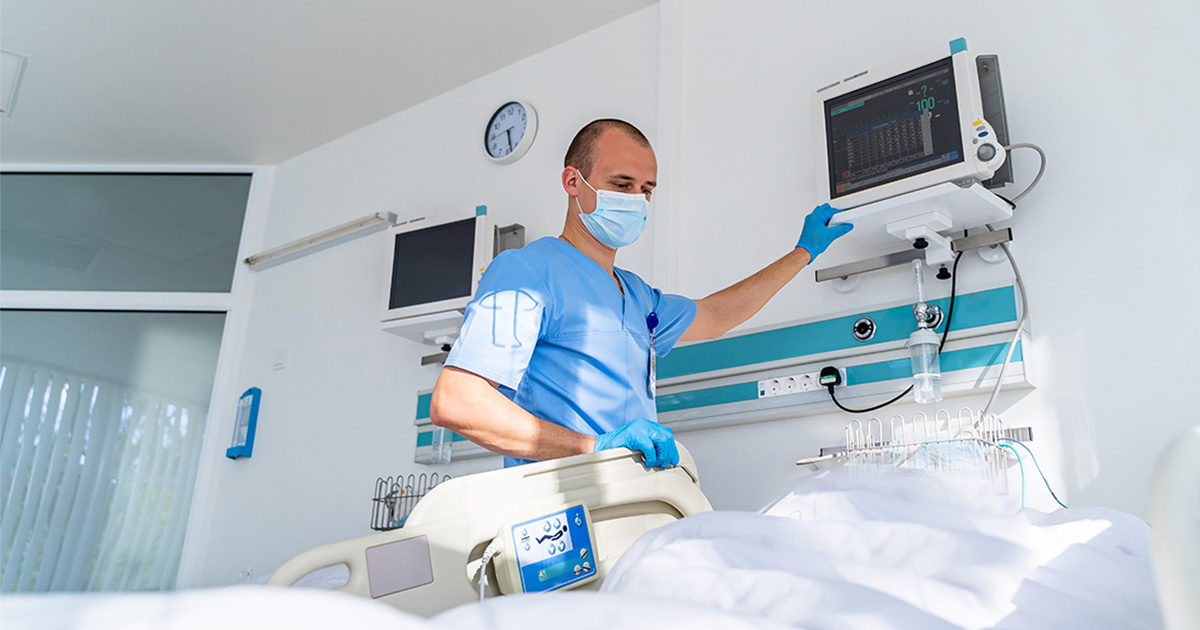
ICUs are staffed by specially trained physicians, nurses, respiratory therapists and other professionals who work together to monitor vital signs, manage complex treatments and respond quickly to changes in a patient’s condition.
Because of this high level of care, the patient-to-staff ratio in an ICU is much lower than in other hospital units. This allows care teams to focus more closely on each patient and adjust their treatment in real time.
“Many of the medications and therapies used in the ICU require continuous monitoring,” Dr. Zakieh said. “That’s why this care is provided in a specialized setting.”
Is being in the ICU always an emergency?
Being in the ICU isn’t always an emergency, but it does mean a patient needs advanced care.
“Some patients come to the ICU after major surgery, serious infections and injuries or complications from chronic illness,” Dr. Zakieh said. “Others may need temporary support while their body heals.”
The ICU exists to deliver advanced care at the most critical moments. Whether someone is facing complications from COVID-19, a serious infection, surgery or another medical condition, the goal of ICU care is stabilization, recovery and a safe transition to the next stage of healing.
Why do some COVID-19 patients need ICU care?
Most people who get COVID-19 recover without needing hospital care. However, as with any respiratory illness, some individuals develop more serious complications, particularly involving the lungs.
“In more severe cases, COVID-19 can affect how well the lungs move oxygen into the bloodstream,” Dr. Zakieh said. “When breathing becomes difficult or oxygen levels drop too low, patients may need specialized respiratory support that is best provided in the ICU.”
This support can range from high-flow oxygen or noninvasive ventilation to, in rare cases, a ventilator. Patients receiving this level of care need continuous monitoring by experienced teams.
What’s changed since the height of the COVID-19 pandemic?
COVID-19 care has evolved significantly. Vaccines, treatments and clinical experience have all helped reduce the number of people who become critically ill.
“Today, we have better tools and a much deeper understanding of how to treat COVID-19 and similar respiratory illnesses,” Dr. Zakieh said. “That has made a real difference in outcomes.”
While COVID-19 can still lead to serious illness in some cases, especially for older adults or people with underlying health conditions, ICU teams are experienced, prepared and focused on helping patients recover safely.