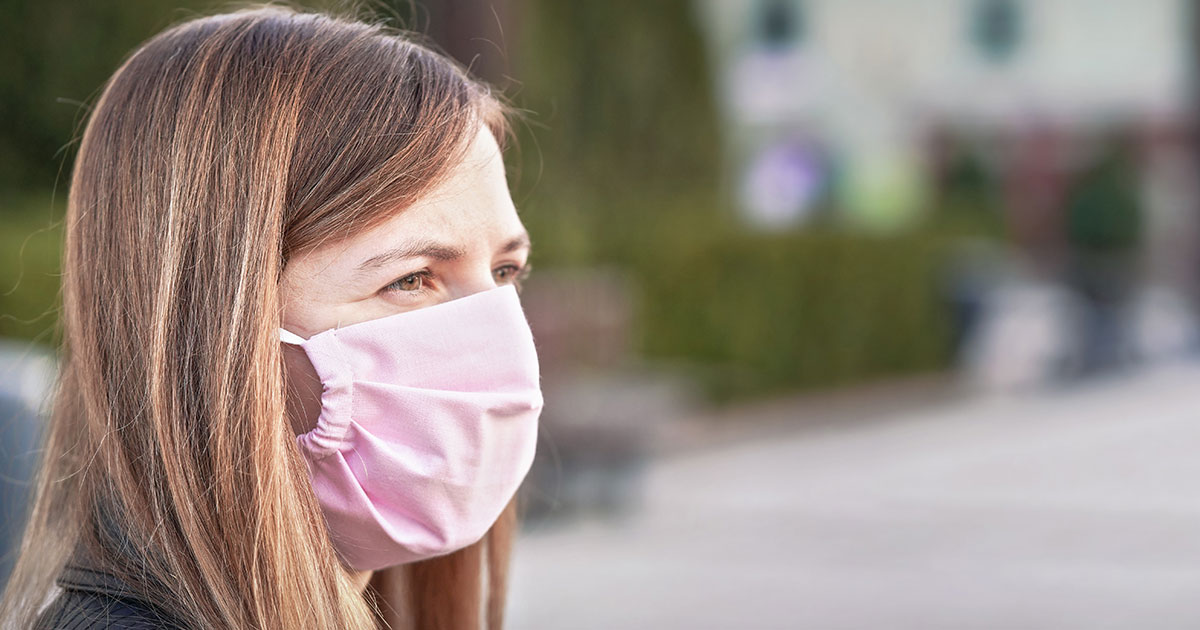
Should I Still Wear a Mask During Respiratory Illness Season?
Respiratory viruses are part of daily life. Every fall and winter, respiratory illnesses like flu, RSV, the common cold and COVID-19 begin to circulate again. While masking was common during the height of the COVID-19 pandemic, you may still wonder if masks help. Should you continue wearing a face mask when you’re not sick but people around you are?
Masks remain a useful, science-backed way to reduce your risk of spreading or catching respiratory illnesses. Wearing a face cover or mask is one of several simple, proven steps that can help reduce your chances of getting or spreading illness. Whether you choose to wear one is a personal decision, based on your own health and protecting your loved ones, your surroundings and your level of comfort.
Do masks really prevent COVID-19 and other respiratory illnesses?
Yes. Masks do help prevent COVID-19 and other respiratory infections.
“Masks have been an effective tool for preventing the spread of COVID-19 and its variants, and they also protect against other respiratory viruses,” Brian Curtis, MD, vice president, chief medical officer, OSF Medical Group, said.
When worn properly, masks block droplets and airborne particles that can carry viruses like flu, RSV and COVID-19. Studies show that both surgical and N95 masks are effective in reducing the spread of respiratory diseases. Masks do help to avoid spreading respiratory illnesses.
Masking has been used in health care for years and is proven to be effective in avoiding the spread of germs, such as in operating rooms. That same approach is effective at stopping the spread of germs outside of health care, as well, such as in crowded indoor spaces, during outbreaks or when you’re around people who are at higher risk for complications.
“If I’ve been exposed to illness, if I’m high risk myself or if there’s a lot of sick people in the area, one should consider wearing an appropriately fitted mask,” Dr. Curtis said.
Ready to stay healthy this season?
When is masking a good idea?
You don’t have to wear a mask all the time – but there are situations when it can be wise, especially to protect those around you.
It’s best to wear a mask if:
- You’ve recently been sick or been around someone who tested positive for COVID-19, flu or RSV
- You’re visiting a hospital, clinic or long-term care facility
- You’re at higher risk for complications from illness or live with someone who is
- You’re in a crowded indoor area with poor ventilation, especially during respiratory illness season
- Your local hospital admissions for respiratory illnesses are high. The Centers for Disease Control and Prevention (CDC) tracks this each year, so you can stay up to date.
Many health systems may also require employees to mask during respiratory illness season – something that’s been standard practice long before the COVID-19 pandemic. It’s one more way we help protect patients, coworkers and visitors.
How long should you wear a mask after being sick?
If you’ve had COVID-19, the flu, RSV or any other respiratory virus, the CDC recommends that you wear a mask for 10 days after your symptoms start or after a positive test even if you have no symptoms. This helps reduce the chance of passing these viruses to others while you recover.
Even if you’re feeling better, it’s best to continue masking around others until your isolation period is complete and you’ve been fever-free for 24 hours without medication.
Choosing the Best Mask
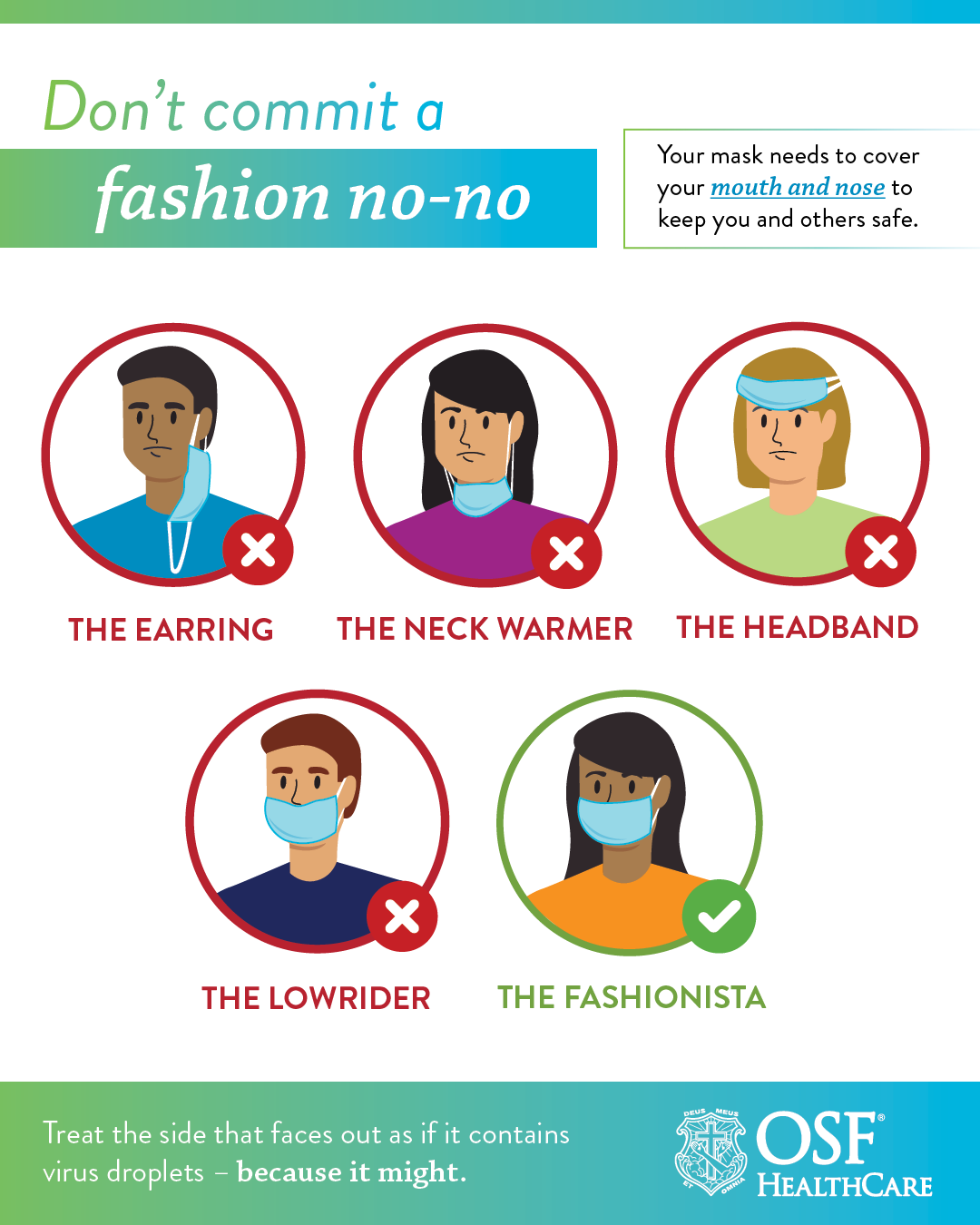 When it comes to preventing illness, fit and comfort matter most.
Your mask should cover the bridge of your nose, the tops of your cheeks, the sides of your face and under your chin without gaps.
Here are some common types of effective masks:
- Cloth masks: Made from two or three layers of tightly woven, breathable fabric
- Disposable surgical masks: Easy to wear and widely available
- N95 masks: Offer strong filtration and a snug fit, often considered among the best COVID-19 masks for public use
Mask Care and Handling
- Wash your hands before and after handling your mask.
- Touch only the earloops or ties when putting it on or taking it off.
- Replace disposable masks after each use.
- Wash and dry cloth masks on the hottest setting after each wear.
- Keep spare masks in your car, bag or coat pocket in case yours gets wet or damaged. Wet or damp masks don’t filter well, so change to a fresh one right away.
Feeling dizzy or nauseous while wearing a mask?
If it’s been a while since you’ve worn one, you might feel lightheaded or anxious at first. That’s normal. Try wearing a mask for short periods at home and gradually increase the time. You can also test different styles of face cover masks until you find one that fits comfortably.
If you’re exercising while masked, start slow and give your body time to adjust.
Masking Protects You and Your Loved Ones
Masking remains a smart, compassionate choice during respiratory illness season.
Wearing a mask can protect you and those around you from spreading viruses like flu, RSV, colds and COVID-19 and keep you healthy through the height of respiratory illness season.