What Should You Clean and How Often?
Respiratory illness season can interrupt the daily life of you and your loved ones. While vaccines and good hand hygiene are crucial to preventing respiratory illnesses, knowing how to clean and keep everyday surfaces germ free can stop the spread of illness.
So what should you clean, how often and with what products to prevent illness? Libby Hatchel, a CIC-certified infection preventionist at OSF HealthCare, shared practical tips to help you create a house cleaning list that keeps germs from spreading in your home.
Arm yourself against respiratory illness
Clean, Disinfect or Sanitize?
Before you grab your cleaning supplies, it helps to know what each product does:
- Cleaning removes dirt and dust from surfaces using soap and water or a cleaning solution. Look for common household cleaners like all-purpose or multi-surface cleaners or a mixture of dish soap and warm water.
- Disinfecting kills germs and bacteria on surfaces using stronger, germ-killing chemicals such as bleach or alcohol. This helps stop the spread of disease.
- Sanitizing reduces the number of germs to safe levels, usually on food-contact surfaces. You can make your own diluted bleach solution, use a food-safe spray or buy a hydrogen peroxide-based sanitizer.
For most homes, you’ll want to clean first, then disinfect. Dirt or residue can prevent disinfectants from doing their job.
Keep these basics on your cleaning supplies list:
- All-purpose cleaner or soap and water
- Disinfectant wipes or sprays with at least 70% alcohol
- Cleaning vinegar, which works for glass and countertops
- Disposable gloves
- Microfiber cloths
- Paper towels or cleaning rags
Your Everyday Cleaning Routine
 Some items and surfaces collect germs fast – especially ones you touch every day.
Here’s a handy daily cleaning checklist to keep your house spick and span:
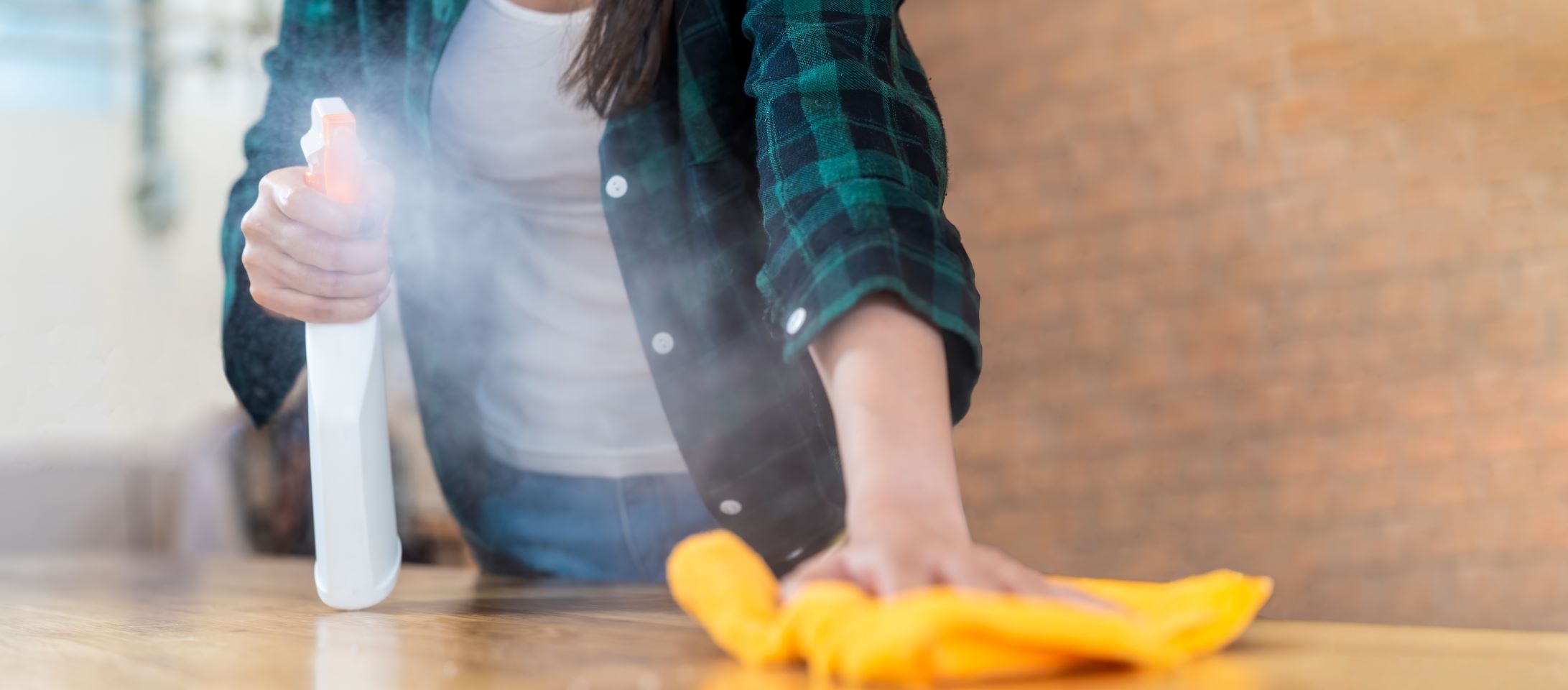
- Kitchen counters: Wipe after every use with a cleaner or disinfectant spray. Always disinfect after preparing raw meat. Dangerous bacteria can stick around on your countertops and spread to other foods.
- Dishes, cups and utensils: Wash after every use. Even your water bottle needs to be cleaned every day.
- Toothbrush: Rinse the bristles after every time you brush your teeth. If you’ve been sick, replace your toothbrush entirely.
- Cell phone, tablet and keyboard: Use disinfecting wipes every day.
- Bathroom sinks and faucets: Give them a quick wipe down with disinfecting wipes once a day, especially if anyone in your house is sick.
These quick cleaning habits go a long way in reducing the spread of respiratory viruses in your household.
What to Clean Weekly
Weekly cleaning keeps buildup and bacteria from turning into bigger problems.
Weekly cleaning list:
- Door handles and light switches: Wipe down with disinfecting wipes.
- Bathroom toilet and shower: Scrub and disinfect once a week.
- Bedding: Wash sheets and pillowcases weekly.
- Workstation and badge or name tag: Wipe at least weekly if used daily.
- Purse or handbag: Clean exterior surfaces or straps weekly if possible. Avoid setting it on the floor in public places.
- Kitchen: Wipe refrigerator exterior weekly.
If someone in your home is sick, increase the frequency – daily cleaning of shared surfaces helps stop reinfection.
What to Clean Monthly and Quarterly
Once a month, set aside time for a deeper clean. Think of it as your monthly maintenance routine to help keep your household healthy.
Monthly to quarterly cleaning tasks:
- Refrigerator: Clean inside shelves quarterly. Go through the food and condiments and throw out anything that is expired.
- Ceiling fan blades: Dust quarterly to prevent dust buildup.
- Upholstered furniture: Vacuum and spot clean monthly; steam clean annually.
- Non-upholstered furniture, like coffee tables and shelves: Wipe down monthly with a damp paper towel or duster.
- Front-loading washing machine: Clean quarterly with a washer cleaner or vinegar. Leave the door cracked to prevent mold.
Adding these to your deep cleaning house checklist helps maintain a healthier home environment year-round.
Annual Cleaning
A good annual cleaning helps you start fresh and germ-free each year.
Add these to your annual cleaning list:
- Carpets and drapes: steam clean
- Mattresses: vacuum or steam clean
- HVAC vents and filters: replace filters every three months; clean the unit annually
- Windows and blinds: wash or wipe down
Many families like to coordinate their deep cleans with seasonal changes – spring cleaning for a refresh after winter and fall cleaning before respiratory illness season hits.
What to Clean and Disinfect After Illness
Once someone in your home recovers from an illness like strep throat, COVID-19, RSV or the flu, a thorough cleaning can prevent those same germs from making a comeback and getting everyone sick again.
After any illness:
- Replace toothbrushes.
- Wash bedding and towels in hot water.
- Sanitize and disinfect frequently touched surfaces, like light switches, doorknobs, phones, remotes, faucets and toilet handles.
- Clean any drinking glasses, water bottles or utensils used while sick.
Keep Cleaning and Protect Yourself
Cleaning and disinfecting your home helps reduce your risk of respiratory infections, but it’s just one piece of the prevention puzzle.
You can protect yourself further by:
- Getting vaccinated for flu, COVID-19 and RSV (if eligible).
- Washing your hands regularly with soap and water.
- Covering coughs and sneezes with your elbow or a tissue.
- Staying home when sick to avoid spreading germs.
“Clean surfaces and good hand hygiene are powerful tools for preventing respiratory illnesses,” Dr. Curtis said. “Pair those with vaccination and healthy habits, and you’ll be ready for whatever the season brings.”